Travel Guide
Kamshet Travel Guide from Mumbai
Plan a Mumbai to Kamshet trip with guidance on routes, departure timing, resort stays, camping, activities, meals and a practical itinerary.
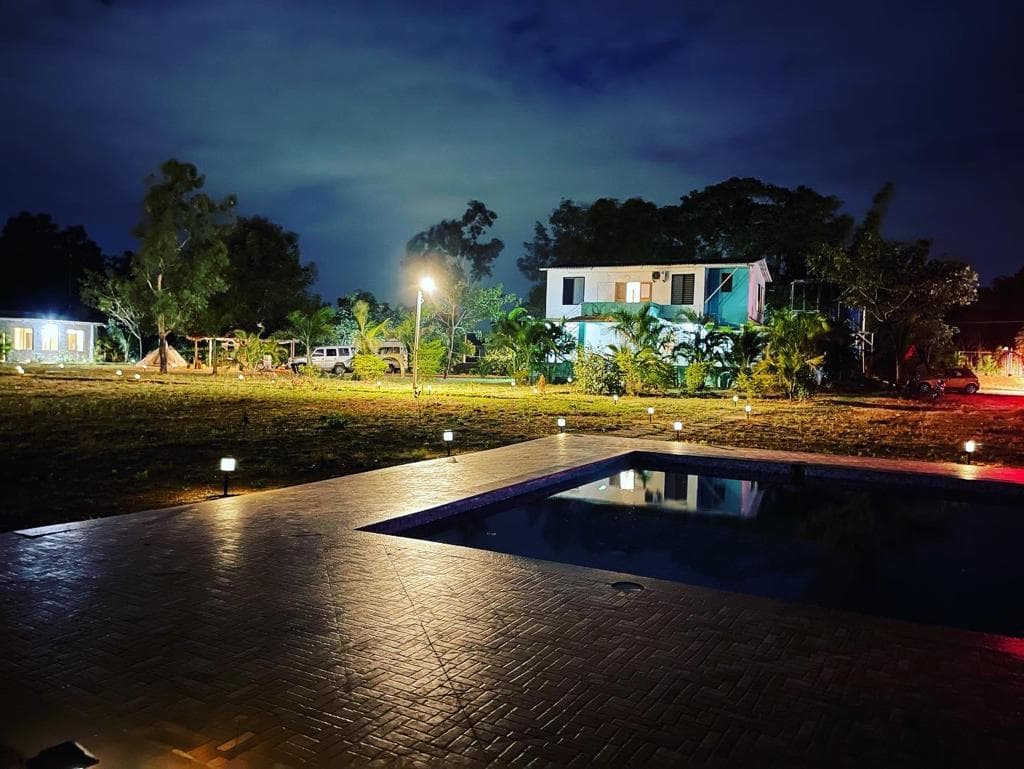
Kamshet offers Mumbai travellers a landscape of lakes, hills and outdoor experiences beyond the usual city weekend. Journey time can change significantly with departure point, traffic and weather, so a successful trip begins with realistic travel planning rather than a fixed estimate copied from a map.
Plan the road journey
Check the route on the day of travel and ask the resort for its current location instructions. Weekend congestion around Mumbai, expressway sections and Lonavala can add time. Avoid unfamiliar shortcuts in heavy rain or after dark.
Select accommodation for the group
Couples and small families may prefer rooms, larger groups can enquire about a villa, and outdoor travellers may choose tents. LakesideMantra offers all three formats subject to live availability. Confirm occupancy and meals before leaving Mumbai.
Build a two-day schedule
Use the first afternoon to settle in and enjoy the property. Reserve the next morning for one confirmed activity such as paragliding, a local attraction or relaxed resort time. Weather-dependent activities need a backup plan.
Prepare for the return
Pack before the final meal, settle approved extras and check current traffic. Leaving some buffer makes the return less stressful. Never schedule a critical commitment immediately after an optimistic journey estimate.
Who this travel guide guide is for
People searching for Mumbai to Kamshet trip can have very different expectations. A couple may value privacy and a slow schedule, a family may need convenient meals and safer movement between facilities, and a larger group may prioritise shared space and predictable costs. Before comparing options, identify the purpose of the trip, the number and ages of travellers, the preferred pace, and any needs that could affect room choice or activities. This turns a broad search into a useful shortlist instead of a collection of attractive photographs.
The same principle applies when comparing Kamshet from Mumbai. Decide which details are essential and which are optional. A group that will spend most of its time at the property should examine food, common areas and on-site facilities carefully. Travellers planning several outside attractions may care more about road access, check-in flexibility and a comfortable place to recover at the end of the day.
How to compare packages without missing hidden differences
Compare written inclusions rather than headline prices. Ask whether the amount covers accommodation, the stated occupancy, meals, taxes, pool or activity access, parking and any extra-person arrangement. Two offers with similar prices may provide very different value once food, transport and add-on charges are considered. If a quotation uses terms such as package, access or complimentary, ask what those words mean for the exact date and group.
Create one comparison sheet and send every shortlisted property the same questions. For this trip, the important themes are leave with a traffic buffer, confirm the final approach road, choose one main activity, keep return timing flexible. Record the response, payment deadline, cancellation rule and person who confirmed it. Screenshots of an old rate or social post are not substitutes for a current quotation, especially around holidays, weekends and changing weather conditions.
A practical itinerary that leaves room for the unexpected
On arrival day, allow a realistic traffic buffer and reach the property within its stated check-in window. Settle into the accommodation, understand the site rules and have a proper meal before starting activities. Choose one main shared experience for the afternoon or evening, then leave unstructured time for conversation, photographs and rest. This approach is more resilient than a schedule that depends on every guest and service running exactly on time.
For an overnight visit, use the following morning for a confirmed local activity, pool time, a permitted walk or a relaxed breakfast. Pack before the final meal and review the route home before checkout. Weather-dependent plans should always have a simpler alternative. Families, corporate organisers and large groups should nominate one coordinator so timing changes reach everyone quickly.
Budgeting for the complete trip
The stay price is only one part of the budget. Include transport, tolls, meals not covered by the package, optional activities, extra bedding, child charges and a reasonable emergency buffer. Large groups should agree how shared costs will be divided before anyone pays a deposit. If some guests are day visitors while others stay overnight, request separate written pricing rather than trying to calculate it from a standard room rate.
Avoid collecting non-refundable contributions until the organiser has read the cancellation and rescheduling terms. Weather can affect travel, camping and outdoor activities, while group numbers can change unexpectedly. A slightly higher transparent quotation may be safer than a low estimate that excludes important services. Keep receipts and payment confirmation with the same organiser who manages the booking conversation.
Questions about comfort, food and accessibility
Ask how accommodation is arranged in practice: bed type, bathroom access, stairs, distance to dining, cooling, power backup and any shared facilities. Guests with mobility needs, older relatives, infants or light sleepers may require a different room location. Do not rely only on wide-angle images. Explain the requirement clearly and ask the property to confirm whether it can be met.
Send meal information early, including vegetarian choices, allergies, child requirements and medically important restrictions. A preference and a medical need are not the same. Carry essential medicines and suitable personal supplies, and avoid putting sensitive medical documents in a general enquiry form. Use the privacy notice and direct contact details when a discussion requires more care.
Safety and responsible travel considerations
Pools, lakes, wet paths, campfires, forts and adventure activities each require different precautions. Children and non-swimmers need active supervision. Guests should follow restricted-area signs, weather closures, quiet hours and staff guidance even when conditions appear manageable. Never enter unfamiliar water or use an unapproved flame, cooking device or electrical setup.
For outside activities, confirm the operator, eligibility rules, equipment, reporting point and cancellation policy separately. Road and trail conditions can change after rain. Use established routes, travel with enough daylight and respect residents, farms, religious sites and private land. Responsible behaviour protects both the group and the destination that visitors came to enjoy.
How season and weekday choice affect the experience
Weekends and holidays can bring heavier traffic and stronger demand, while weekdays may offer a quieter atmosphere when the desired facilities are operating. Monsoon adds greenery but also slippery ground, visibility changes and possible restrictions. Warmer periods make hydration, shade and activity timing more important. Cooler weather can suit outdoor time, though nights may require additional layers.
Do not choose a season based on one viral photograph. Ask for current property and road guidance close to departure, then pack for the short-range forecast. When a particular activity is the main reason for travelling, confirm its seasonal and weather limitations before making the accommodation non-refundable. A flexible plan is more likely to produce a satisfying trip.
Final booking checklist for LakesideMantra
Send LakesideMantra the preferred dates, number of adults and children, accommodation type, meal requirements and the purpose of the visit. Mention celebrations, visitors, vendors, accessibility needs or corporate equipment at the beginning. The team can then identify whether rooms, the villa, tents or a tailored group arrangement is appropriate for the requested date.
Before treating the plan as confirmed, obtain the final price, occupancy, inclusions, payment instructions, cancellation terms, check-in time and written availability confirmation. The website form and WhatsApp start an enquiry; they do not independently create a reservation. Travellers can also compare the official external booking listings and read guest-review search results before deciding.
Frequently asked questions
Can Kamshet be visited as a weekend trip from Mumbai?
Yes, but travel time depends on the starting suburb, traffic, route and weather. An overnight stay avoids rushing both directions in one day.
What should Mumbai travellers book first?
Confirm accommodation first, then arrange weather-dependent activities and transport around the confirmed stay.